forge-prep
data-readiness tooling for LLM fine-tuning
- audit command emits a 0–100 Forge Readiness Score across six dimensions: volume, quality, dedup, PII, language, format.
DATA, ANALYTICS & ML · PARIS, FR
I turn data into decisions and build the systems behind it, across analytics, business intelligence, and machine learning.
STATUS: MSc Data Science, EDC Paris (graduate) · Open to data, analytics, and AI roles
ABOUT · PARIS, FR
I build data and ML systems, and I build and automate with AI agents. Each of the following was built to answer a real question, not to fill a portfolio.
forge-prep is a data-readiness toolkit: a published Python package (v0.1.0) that audits an enterprise corpus and scores it 0–100 across six dimensions before that data reaches Mistral’s Forge fine-tuning pipeline. It runs on the Python standard library alone, carries a 38-test suite under GitHub Actions CI.
KrisCodec is a neural audio codec for music, written from first principles. It uses Snake activations and a residual vector quantizer, ships a custom .kris format, and decodes in roughly 7.4 ms. I built it to understand codec design end to end, not to wrap an existing one.
ARIA is a reasoning architecture. A frozen GPT-2 Small (124M parameters) holds the knowledge, a recurrent reasoning core (~20M) iterates over it, and a halting controller (~2M) decides when to stop. About 146M parameters in total, ~22M of them trainable. I trained it on ARC, GSM8K, and PIQA to test whether test-time reasoning depth can be added without retraining the backbone.
VOXMAX is a voice-scoring exploration, still private and in development: an Expo / React Native app over a FastAPI backend that turns about twelve seconds of speech into a score, computed on a real acoustic-feature pipeline rather than an API call.
ZXERO is an AI coding companion: an agent built to support vibecoding and context-aware prompting with AI chatbots, helping developers work more effectively with AI coding assistants. It launched commercially and validated the paid model with real Stripe revenue, about $1,247, from its first paying users. I then deliberately transitioned it from a sold product to an open, community-run tool: the repository is public, users bring their own API keys and self-host it, and it isn't actively sold today, with a genuine base of real users.
Stickbook is a shared scrapbook for group trips: link-based and collaborative, any group member can upload, edit, and share photos and memories from a shared trip, no account required. CRKLE is a technology and AI agency I run for small businesses: custom websites, web apps, and AI phone-answering agents on Retell AI that handle inbound calls end to end for business-owner clients, plus SEO and GEO (Generative Engine Optimisation) so those sites are found by both search engines and AI/LLM-driven discovery.
I started at the physical layer. My BTech is in Electrical, Electronics & Communications Engineering, from Mahatma Gandhi Institute of Technology (December 2020–July 2024): signal processing and systems thinking learned from the hardware up, before any of it was abstracted behind a framework.
In the middle of that I spent four months at Zonta Technologies in Hyderabad (October 2022–January 2023). I developed and executed test strategies and test plans for platform evaluation, and supported NDL (Network Design Lab) and FIT (First in Test) product integration, certification, trial, and interoperability testing. It was test and integration engineering, and it taught me what it takes to hold a claim to a standard before it ships.
I moved to Paris for an MSc in Data Science & Business Intelligence at EDC Paris Business School (September 2024–September 2026). I chose a programme that sits between engineering and business on purpose: that intersection is where data work actually lands, and pretending otherwise makes for worse systems.
The lesson I keep coming back to is ZXERO's transition from a sold product to an open one. It worked: it launched commercially and took real Stripe revenue from its first paying users. I didn't keep scaling it as something I sold. I opened it instead: the repository is public, and the people using it now bring their own API keys and run it themselves. Proving something works commercially and deciding not to keep selling it are two separate judgments, and the second one isn't a failure of the first.
The second thing I keep returning to is the distance between a system that runs and a system whose behaviour you can measure. Getting something to run is the easy part. The KrisCodec decode figure, roughly 7.4 ms, exists because I measured it, and the evaluation tooling in forge-prep exists because a corpus you cannot score is a corpus you cannot trust. I optimise for the second kind of system: the kind that tells you when it is wrong.
Day to day I work in Python and SQL, building pipelines and ETL, packaging and CI, and the schema and data-quality checks that keep them honest. I use Power BI, Tableau, and pgAdmin where the work is analysis, dashboarding, and reporting. On the ML side that means PyTorch, audio DSP, evaluation tooling, fine-tuning data preparation, and vector quantization. When something has to ship it is usually FastAPI and REST backends, React Native / Expo, Web Audio, and the deployment around them.
On the agentic side I build with Claude Code and MCP servers, including a personal MCP server that centralises my profile and evidence and connects to an automated CV and cover-letter generation system, plus Claude Console agents for automated job sourcing and job-posting context capture. I automate workflows with n8n, Make, and Zapier, and keep notes and personal databases in Notion, including a 22-page SQL learning curriculum I built with a custom relational dataset. For decks, logos, and visual design I use Canva.
I leave off the things I have touched once but never shipped. That is the whole point of this page.
Open to data, analytics, AI engineering, and AI automation roles: teams building evaluation tooling, data infrastructure, agentic workflows, or ML systems where the work is measured, not asserted.
data-readiness tooling for LLM fine-tuning
neural audio codec
recurrent reasoning architecture
voice-scoring exploration, in development
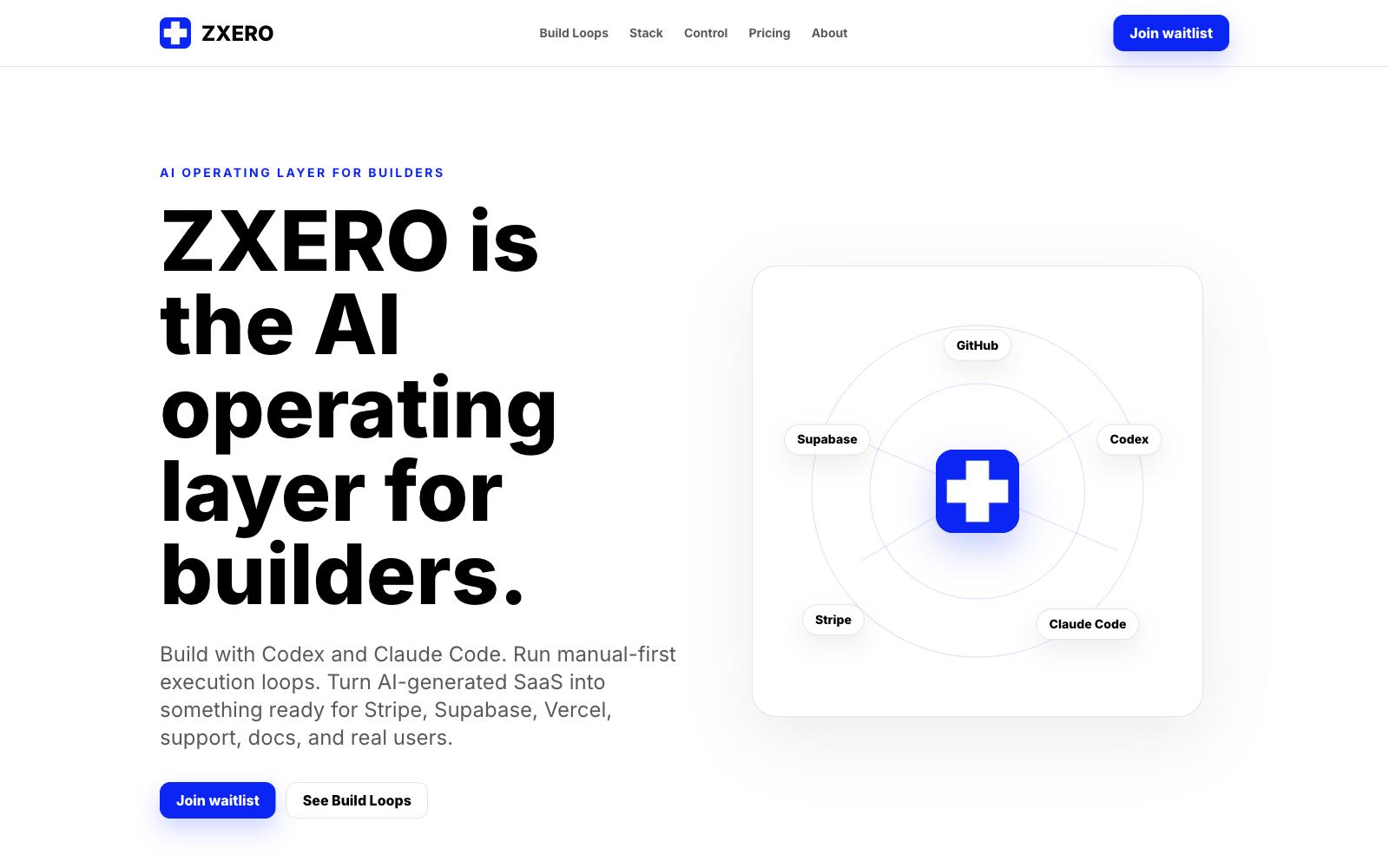
AI coding companion, agent-built, community-run
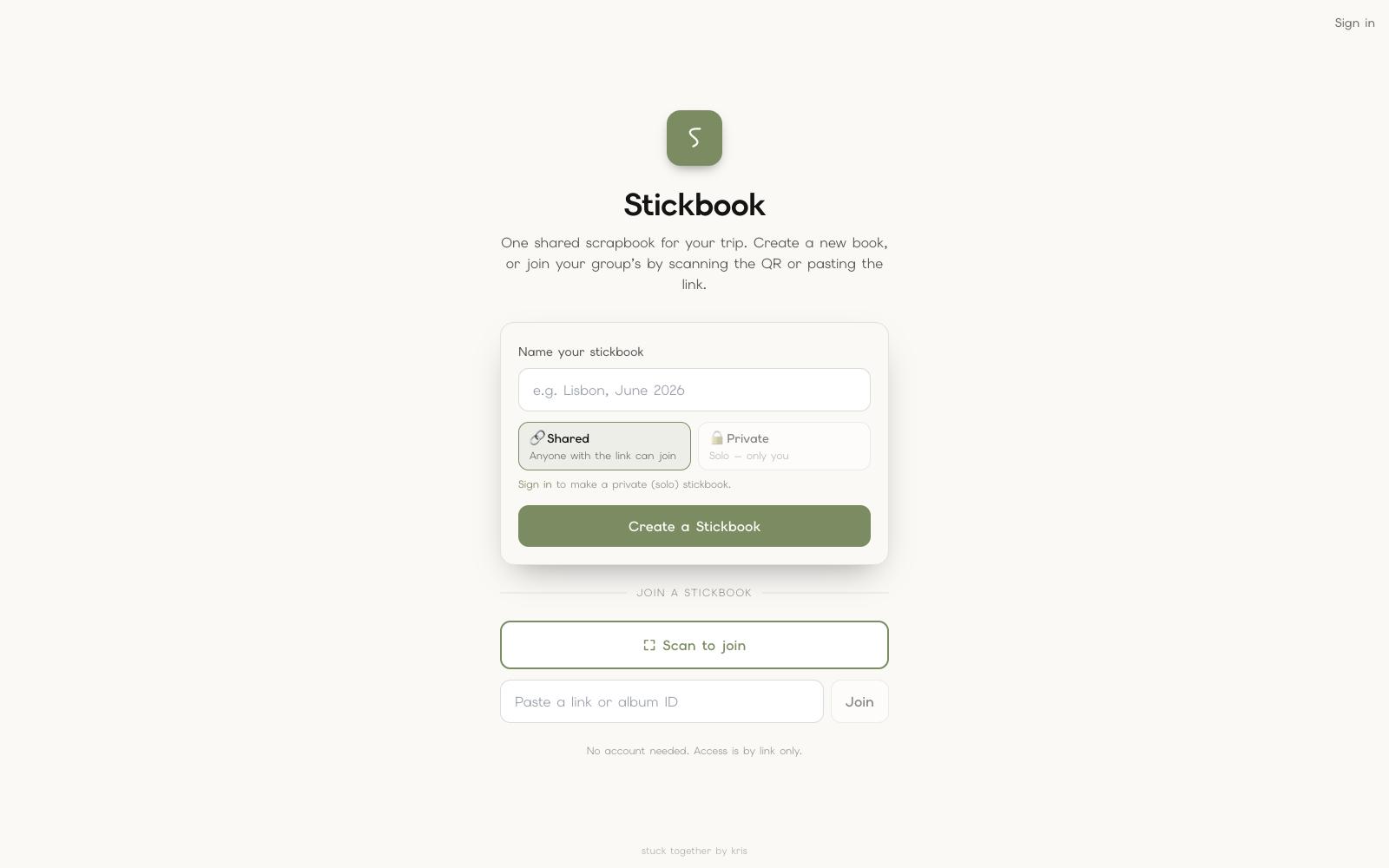
shared scrapbook for group trips
technology and AI agency for small businesses
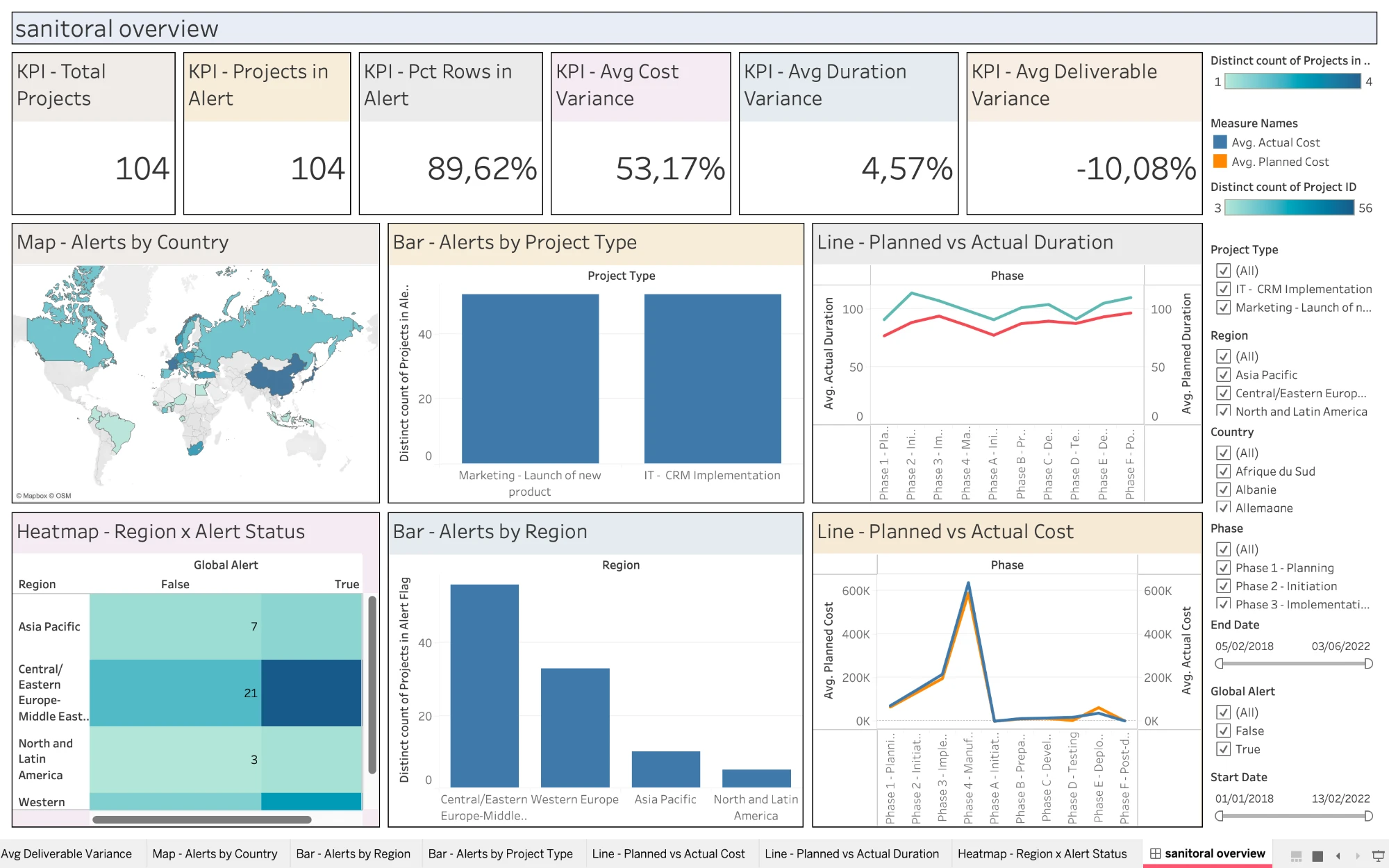
Tableau dashboard for project performance monitoring
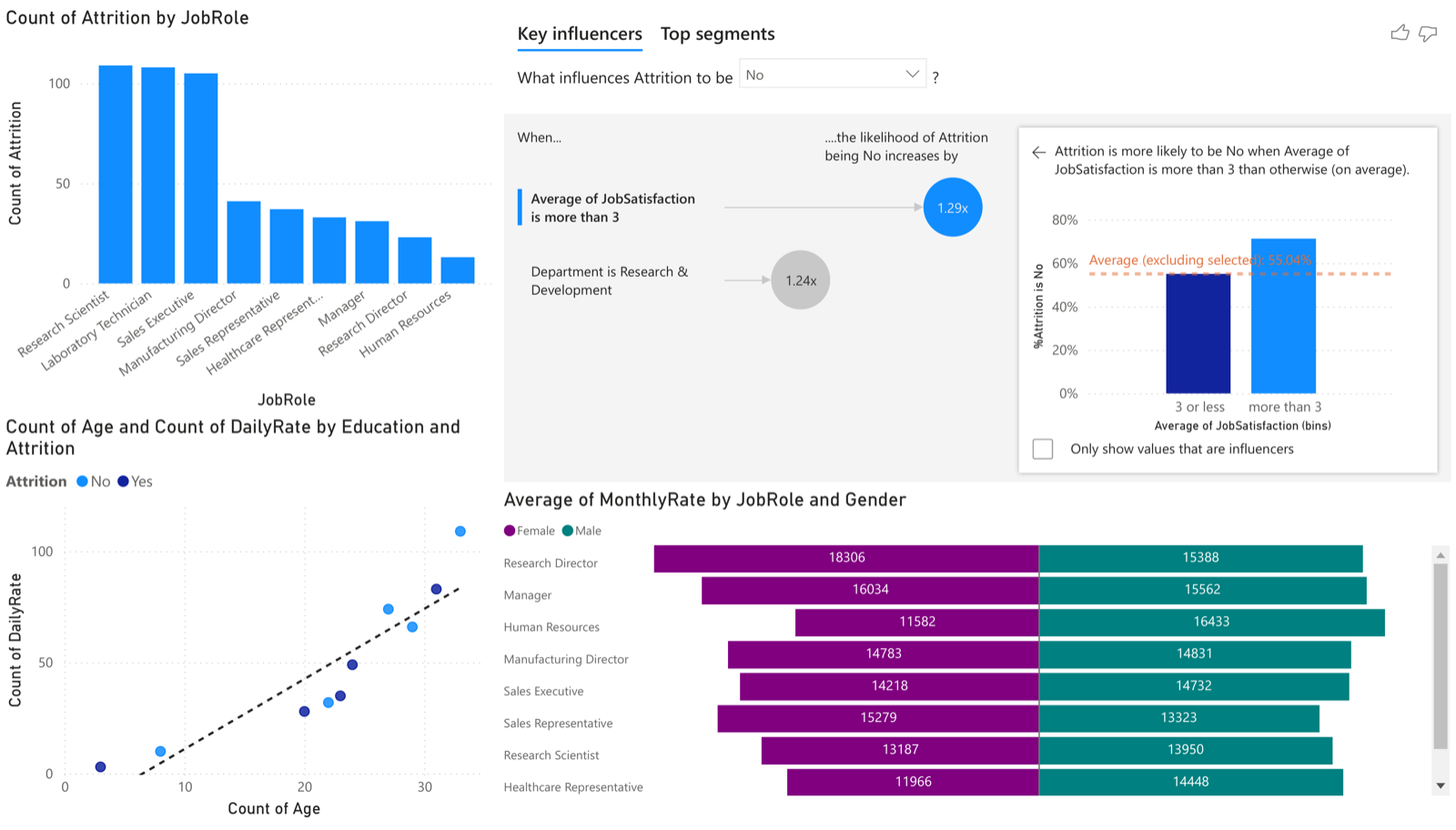
Power BI HR attrition analysis